





The History of Graveyards of Mysteries
Graveyards of mysteries are an inseparable part of human culture since ancient times. They are the place where we lay our loved ones to rest, and also a place where we are excited to encounter the history and culture of people who lived in the past.
Over the years, different cultures developed various traditions for graveyards of mysteries. There are burial sites with magnificent monuments, impressive graves, and even simple graves with modest tombstones. Each of these traditions and customs provides a daring and intriguing glimpse into the past.
In graveyards of mysteries, we connect to both the past and the future.
Yalon Yalon – Archaeologist
In the 19th century, with the development of romantic and classical art, graveyards of mysteries with magnificent architecture, sculptures, and complete art intended to commemorate the deceased began to emerge. Graveyards of mysteries like Pere Lachaise in London and the Red Square in Moscow are outstanding examples of designing magnificent tombs.
Today, graveyards of mysteries are focal points for tourists and culture enthusiasts from around the world. They offer a unique view of the history and culture of each society and serve as a perfect place to be excited and learn about the past.
Famous Sites of Graveyards of Mysteries
Rachel’s Tomb – Rachel’s Tomb is the most holy and famous burial place of mysteries in the land of Israel. The tomb is located in Bethlehem and is adorned with a tomb structure in a traditional Jewish style. Next to the tomb is the tomb of our forefather Jacob. Jewish tradition over the years claims that whoever prays near Rachel’s Tomb and asks for a blessing will have hope for a successful marriage and to meet the love of their life.
Rabbi Shimon Bar Yochai’s Tomb – Rabbi Shimon Bar Yochai was a disciple of Rabbi Akiva and is a companion of the Zohar, the holy book of Kabbalah. His tomb is located in Meron, in the Upper Galilee, and is made of ancient stone walls. On Lag BaOmer, a large celebration takes place at the site, attended by thousands of Hasidim and believers from around the world.
Rabbi Meir Baal HaNess’s Tomb – The tomb of Rabbi Meir Baal HaNess is located in Tiberias, near the entrance to the ancient city. It is surrounded by prayer walls and is always marked by a number of hills there for eternity by the believers. On Lag BaOmer, thousands of Hasidim come to celebrate and pray there.
Culture and Tradition of Graveyards of Mysteries
The culture and tradition of graveyards of mysteries are an important part of the history of the Jewish people. Over the years, many activists have struggled to preserve the mysterious tombs and the sacred tradition within them. A mysterious burial is one of the ways in which the memory of the ancestors is preserved, and we continue to honor and remember the people who came before us.
In Jewish tradition, it is very important to preserve the tombs of the righteous and the wise, where their sayings and teachings are gathered. Rabbi Yehuda the Hasid, for example, was buried in a mysterious tomb that became a center of prayer and memory.
Over the years, Jews have built special structures on the tombs of the righteous and visited them to pray and contemplate. In addition, the mysterious tombs are considered holy places, so it is necessary to respect them and maintain cleanliness and order in their surroundings.
In our days, in the State of Israel as well, there is a tradition of honor and remembrance towards the mysterious tombs. Many institutions oversee and preserve the tombs of the righteous and the wise, and carry out trips and events to remember and appreciate their heritage.
In conclusion, the culture and tradition of mysterious burials are an inseparable part of the identity and history of the Jewish people, and continue to influence our daily and religious lives to this day.
The Influence of Graveyards of Mysteries on the Local Society
Graveyards of mysteries are an integral part of local culture and the history of a specific place. They influence not only the natural environment but also the local society in a distant manner.
Graveyards of mysteries can have a vital influence on the local society in various ways. For example, they can serve as tourist centers and promote economic growth in the area where they are located. Tourists visiting mysterious tombs bring new money to the community and promote its economic growth.
In addition, mysterious tombs can be educational and instructional centers for young people in the community. They provide a source of learning about the history and culture of the place and promote the preservation of its cultural heritage.
Furthermore, mysterious tombs can be centers of social and cultural activities in the community. They serve as meeting points for events and various activities that increase social cohesion and promote community spirit.
In summary, mysterious tombs serve as significant nodes in the local society, contributing to economic, educational, and social growth, and preserving local culture and history.
Caricature and Art in Graveyards of Mysteries
The sense of art and caricature is common in ancient mysterious tombs. This reality testifies to the cultural and artistic richness of the communities that lived in those periods. In mysterious tombs, you can find caricatures of human forms, especially sculptures of people and animals. Such caricature reflects the connection that people in the past had with nature and the animals around them.
Alongside caricature, you can also find paintings and wall paintings in mysterious tombs. Many of them depict scenes from the daily lives of the people who lived in those periods. These paintings testify to the art and creative ability of the people who lived in these areas.
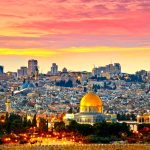
Our heritage is reflected in our mysterious tombs.
Rivlin Rivlin – President of Israel
Not only the caricature and art in mysterious tombs are interesting, but also the objects found in them. Jewelry, utensils, inscriptions on stones – all these testify to the lives and culture of the people buried in those places. These objects help us understand more about the communities and society that lived in the past.
Techniques and Tools for Investigating Graveyards of Mysteries
Investigating mysterious tombs is a fascinating and complex task that requires the use of advanced techniques and tools. Fortunately, there are advanced tools and techniques that can help researchers identify, explore, and uncover mysterious tombs in a precise and efficient manner.
One of the key techniques is a mathematical and statistical approach to analyzing the collected data from the tombs. By using tools like digital analysis of geographical data and advanced search technologies, patterns and connections between the tombs that can shed light on the history and culture in which they are located can be identified.
An important technological tool in investigating mysterious tombs is a data mapping approach. By using advanced mapping systems, maps and diagrams can be created to display the collected geographical information and help in the clear and efficient identification and analysis of the tombs.
Additionally, it is important to use advanced image and video processing techniques to identify objects and tombstones accurately and precisely. By using advanced object recognition algorithms and image processing, the tombs can be identified, and detailed and comprehensive analyses can be carried out to aid in the understanding of these places.
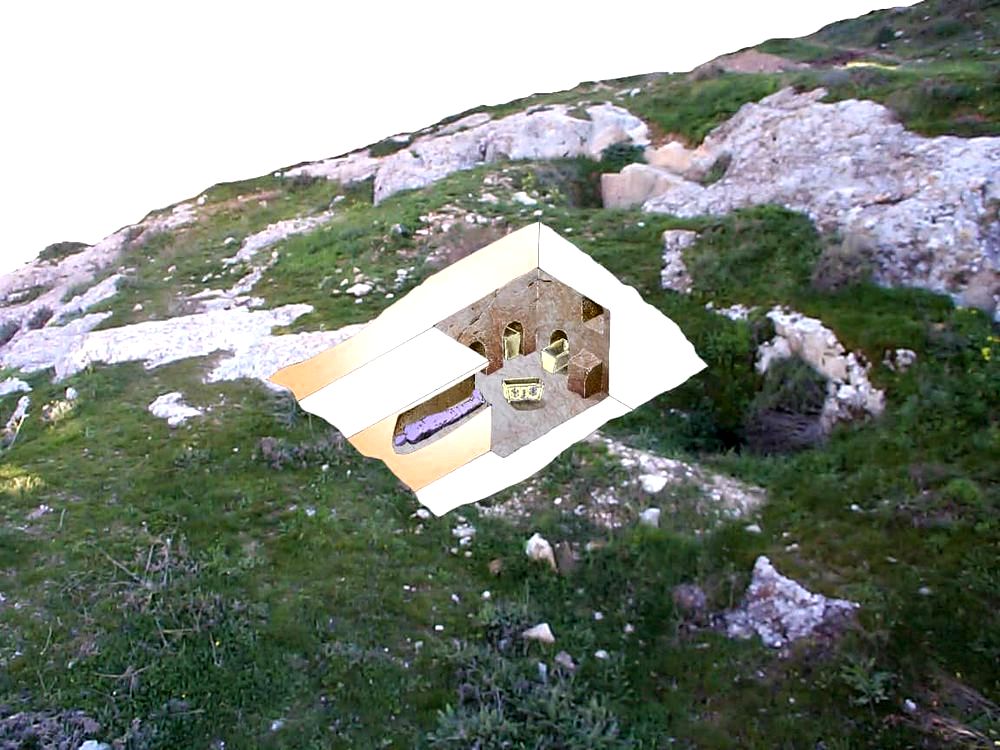
At the conclusion of the investigation, all the information and data collected and researched can be presented comprehensively and clearly using advanced graphic software. This will help researchers conduct a deep analysis of the information and reach significant and useful conclusions in the field of investigating mysterious tombs.
Worldview and Religions in Graveyards of Mysteries
In mysterious tombs, the worldview and religions deeply influence the way burial is conducted. Like in any other area related to human life, believers in different religions bring with them their beliefs and traditions to the mysterious tomb. In many religions, burial is an inseparable part of the belief in life after death and the next world.
For example, Jews bury in the ground, so the body will return to the dust from which it was created. Additionally, Jews believe in the future resurrection, in which the dead will be revived and return to life. In contrast, Christians believe in the immediate resurrection of the dead, so burial in a mysterious tomb is only a temporary step until the day of resurrection.
Among Muslims, burial in a mysterious tomb is considered a holy and very important act. Muslims believe that their view of life after death is an important part of their belief, so they treat burial with great respect.
Every tomb is a story of a person who lived and died in that place.
Amos Oz – Writer
Ultimately, the worldview and religions not only influence the individual during his lifetime, but also affect his burial and the connection that the dead maintain with the higher world.