







1. History of Graves in the City
Graves in the city are an inseparable part of the history of urban places. For a long time, graves have been created in cities to serve as places of rest and remembrance for the dead. Additionally, graves were also built as holy places and sources of religious faith.
In many cities around the world, graves can be found that serve as tourist and scientific sites. Sometimes the role of graves in the city also extends to transportation systems and national symbols.
Since Or Yehuda was founded, the history of graves in the city has also developed. Ancient graves are found in various areas of the city, and they are an integral part of the local culture and heritage. These graves testify to the history of the city and the people who lived in it in the past.
Graves in the city are places of great importance and are considered tourist and educational centers. Over the years, these graves have become popular tourist destinations and tour sites.
Graves are the cornerstone of Hebrew heritage
Rachel the Queen – Laborer
2. Types of Graves Found in the City
In various cities around the world, a wide variety of different types of graves can be found. Among them are ancient graves built for burial purposes and the memorialization of the dead, as well as newer graves built to showcase the memory of the dead. Each type of grave also serves as a place to learn about the history and culture of the city or region in which it is located.
Ancient graves are found in many cities and are part of the cultural heritage of the place. Such graves were mainly built in ancient times according to ancient religions and traditions, and they are part of the social and religious framework of the city. Generally, ancient graves are found in various areas of the city and may be holy places or places where certain religious practices were performed.

Additionally, one of the common types of graves in the city are modern graves. These graves are primarily built in recent times and serve mainly as burial places for the dead. These graves are created for regular burials and do not involve any special religious or traditional practices. Such graves are found in various locations in the city and are part of the urban and community landscape.
3. Equipment and Art in Graves
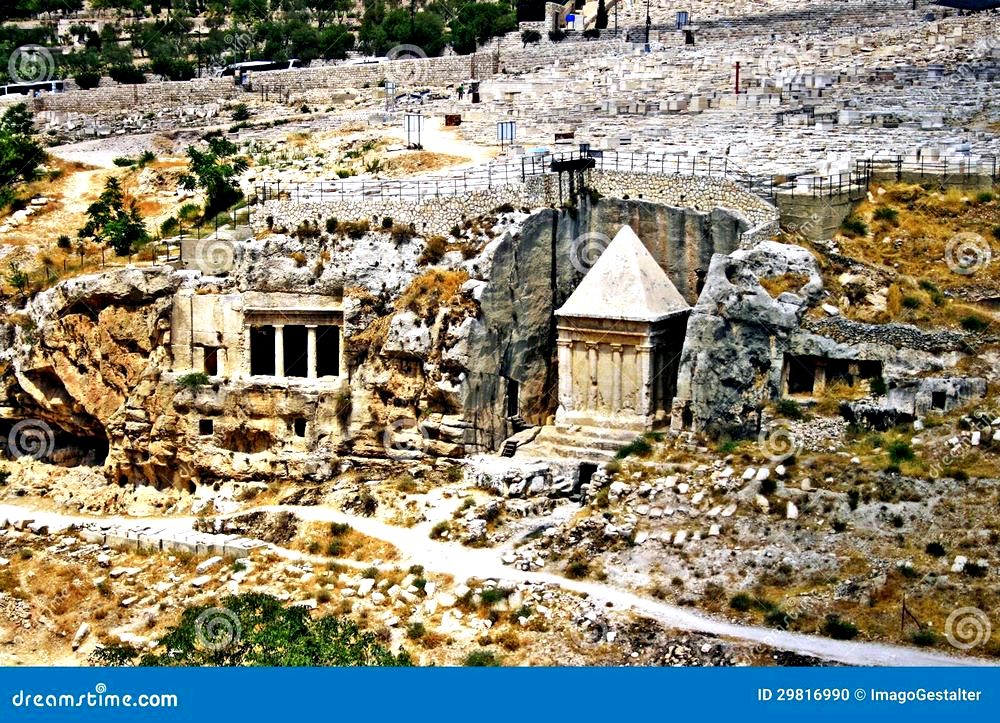
Ancient graves in cities contain not only the bones of the dead, but also equipment and art brought there with them. In most cases, the equipment and art found in graves serve as tools to emphasize the social and economic status of the deceased. Tools, jewelry, eating and drinking utensils, furniture, and even animals are part of the equipment found in graves.
In addition, graves also contain art with historical and artistic value. Drawings on the walls, sculptures, paintings, and decorations provide information about the lives and traditions of the people buried in that place. Art in graves serves as a tool for expressing ancient culture and its influence on society.
In many cases, the equipment and art found in graves allow researchers and archaeologists to learn more about the society that existed in that place. Tools for food, jewelry, and various items indicate the daily culture, art, and technology used during that period.
In summary, the equipment and art in graves are an important part of the history and culture of ancient places in cities. They provide deep insights into the lives and traditions of the people who lived in that historical period and help us understand more about the ancient society that existed in that place.
Culture and Burial Tradition in the City
Over the years, graves have been opened and found in many cities around the world. When it comes to urban burial, these are places that were established to preserve the memory of the dead and provide a place to lay the bodies of people who have passed away. Burial culture in the city varies according to the tradition and religion of the local population, reflecting the society’s attitude towards death and the afterlife.
In most cases, graves in the city are important memory centers in cities and serve as holy places and cultural centers. In many cities, the graves of righteous individuals and rabbis are prominent, located in the city center, and serving as centers of prayer and worship.
In a number of cities, graves become popular tourist destinations, where many tourists visit to explore the connection between them and the past and deepen their understanding of local tradition. Graves in the city can also be a source of disputes and conflicts, based on religious, cultural, or political backgrounds.
In conclusion, the culture and burial tradition in the city reflect the human need for memory and the status of the dead in society. It meets the human need for continued connection with the deceased and for preserving their memory, constituting an important part of the cultural identity of the place.
5. Tours and Workshops in Graves in the City
Tours and workshops in graves in the city are a fascinating and interesting way to experience the history and culture of the city. During the tours and workshops, guides take participants to visit famous and arranged graves, and learn about the people buried there and their stories.
During the tours, participants can learn about the local tradition of the graves and understand their historical and cultural significance. They can also hear stories and legends about the deceased and be moved by their connection to the city and its residents.
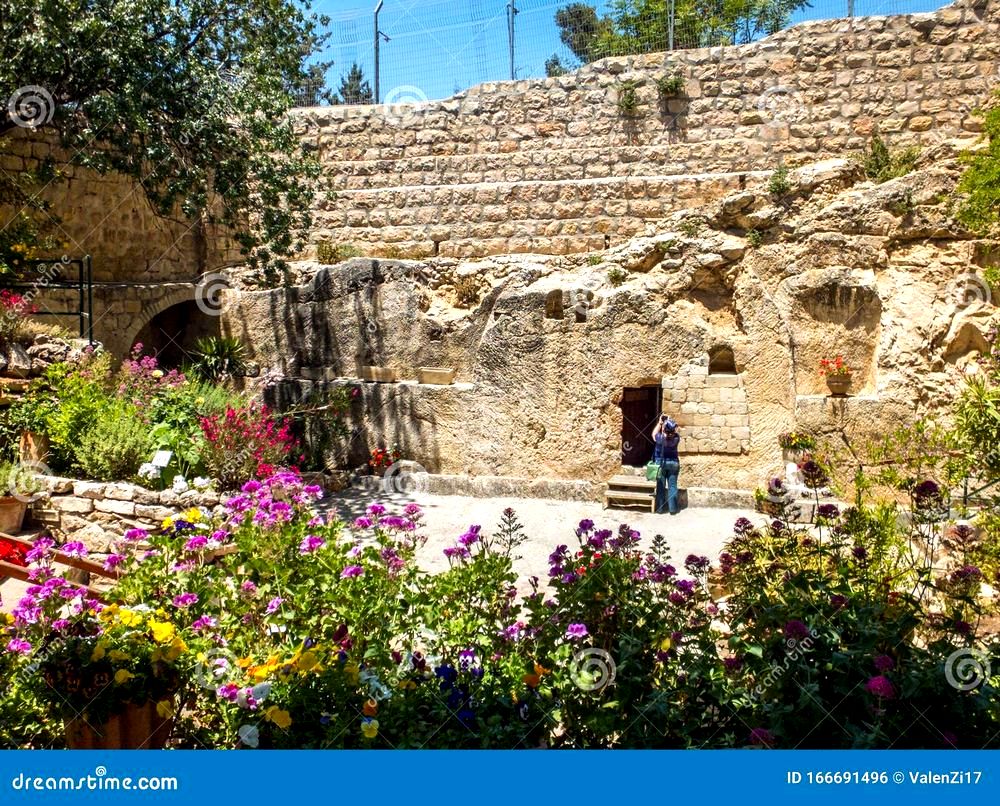
Tours and workshops in graves in the city are suitable for all ages and cultural backgrounds. They offer a unique and fascinating experience that combines education, culture, and history.
If you are interested in experiencing the graves in the city in a different and special way, do not hesitate to join the tours and workshops offered by the city’s heritage. Enjoy the encounter with the past, and take another step into the world of the history of the place.
In graves, one can find moments of spiritual rest
Shimon Peres – Poet
6. What is Important to Know About Graves in the City
Graves in the city are central sites in many cities around the world. They serve as holy places and centers of religious practice for many. Additionally, graves in the city are important cultural and historical heritage sites, serving as significant tourist destinations.
They also serve as venues for social and religious events, strengthening the local community and providing a sense of camaraderie. Moreover, graves in the city offer spiritual retreats to the public and an opportunity to reflect on life and death.
To protect graves in the city and preserve them, it is important to maintain cleanliness in their surrounding areas and nurture the necessary respect and modesty in the place. Additionally, it is important to remember that these are holy places and to behave accordingly.
At the end of a visit to a grave in the city, it is appropriate to leave the place in its proper condition and not leave any waste or items that could damage the sanctity of the place. In doing so, we preserve the dignity and sanctity of the city’s graves and continue to enjoy these important sites in our cities.
The Influence of Graves in the City on Society and Culture
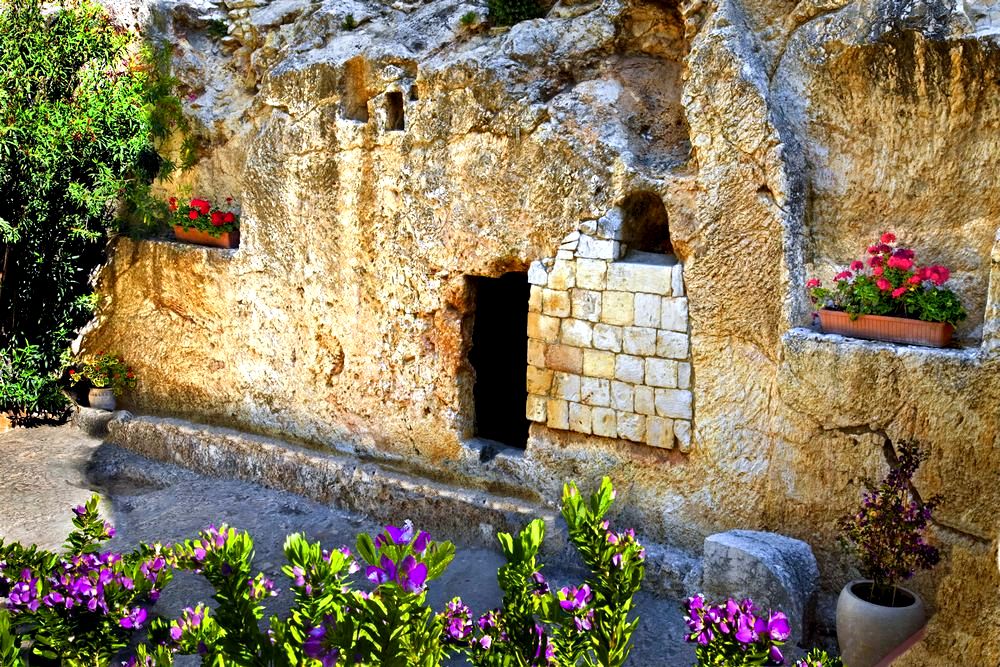
Graves in the city are an important part of the urban landscape and have a significant impact on society and culture. They serve as holy and central places for religious and cultural systems, and also function as centers of memory and history that play a vital role in the community’s memory.
The influence of graves in the city on society and culture is felt in various forms. They serve as centers of prayer and worship, places to gather on Sabbaths and holidays, and are centers of social and cultural activity within the community.
The grave is a place of memory and honor
Miriam Peretz – Philosopher
Their influence on society and culture is also evident in local culture and art. They inspire many artists, as graves and the communities within them influence their creations and the content of their works.
Additionally, graves in the city are centers of tourism and education, serving as centers for learning and education about the history and culture of the place.
Thus, it can be seen that graves in the city influence not only the urban landscape but also society and culture in a deep and fascinating way.