






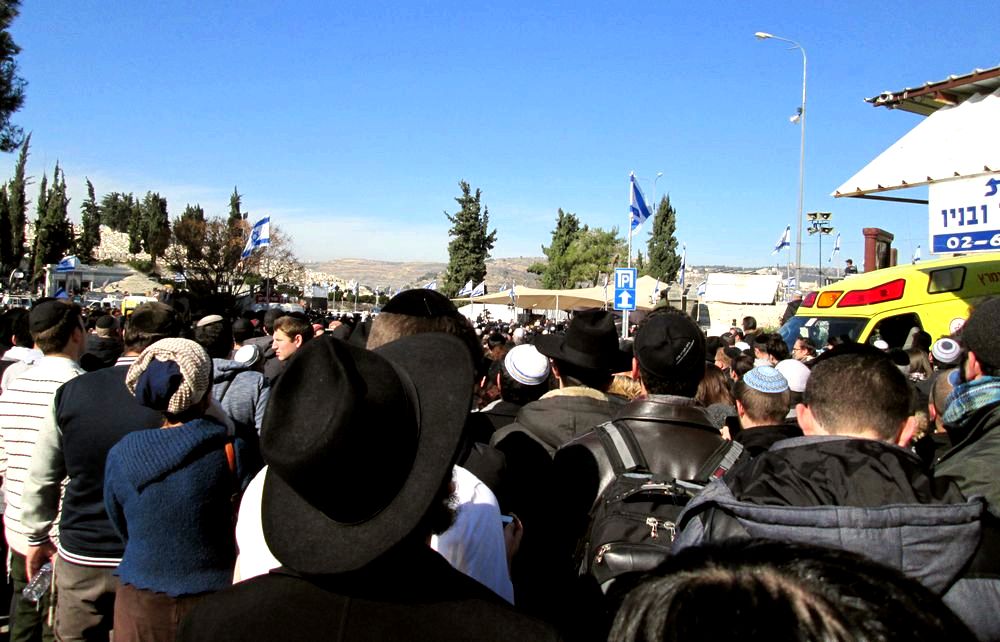
History of Burial Customs
Burial customs are important activities in human culture that span the globe. These customs vary according to culture, religion, and traditions of each people. Since ancient times, people have performed burial rituals to address their deep connection with the deceased and to ensure honor and remembrance for the departed.
In the past, burial customs were associated with myths, religious traditions, and ancient beliefs. For example, ancient Egyptians buried their dead with personal belongings and food for the journey, while in China, the dead were buried with precious items and religious symbols.
Throughout history, burial customs have evolved and developed. Over the years, various traditions and customs have emerged regarding the treatment of the deceased and their burial. Today, every culture and religion approaches burial customs differently, and often there are debates and disagreements on this subject.
This article examines the history of burial customs, describes the changes that have occurred over the years, and provides examples of burial customs from a variety of cultures and religions around the world.
Burial is not the end of the road, but the beginning of a new story
Rachel Sharon – Religious Studies Teacher
Types of Burial Customs Worldwide
Burial customs vary across the world, reflecting the cultures and religions of different populations. Each culture and religion attaches special importance to death and body purity, leading to different burial methods.
While in many countries it is common to bury the deceased in graves with a gravestone, in other areas cremation and scattering of ashes are prevalent. There are also places in the world where burying the dead in the ground without a regular grave is customary.
The various customs reflect people’s attitudes towards death and the afterlife, allowing each community to mourn and bid farewell to the deceased in a way that suits them. It is important to understand and respect the different customs around the world and to grasp the deep significance of burial in every culture.
Burial Customs in Judaism
In Judaism, burial customs vary according to place and time. According to Jewish law, burial is a strict and important commandment, leading to a wide range of customs on this subject.
One common custom among Jews is burial in the earth. According to Jewish law, the body of the deceased should return to the earth, as it is made from the earth and should return to it. Most burials in Judaism are done through burial in Jewish cemeteries.
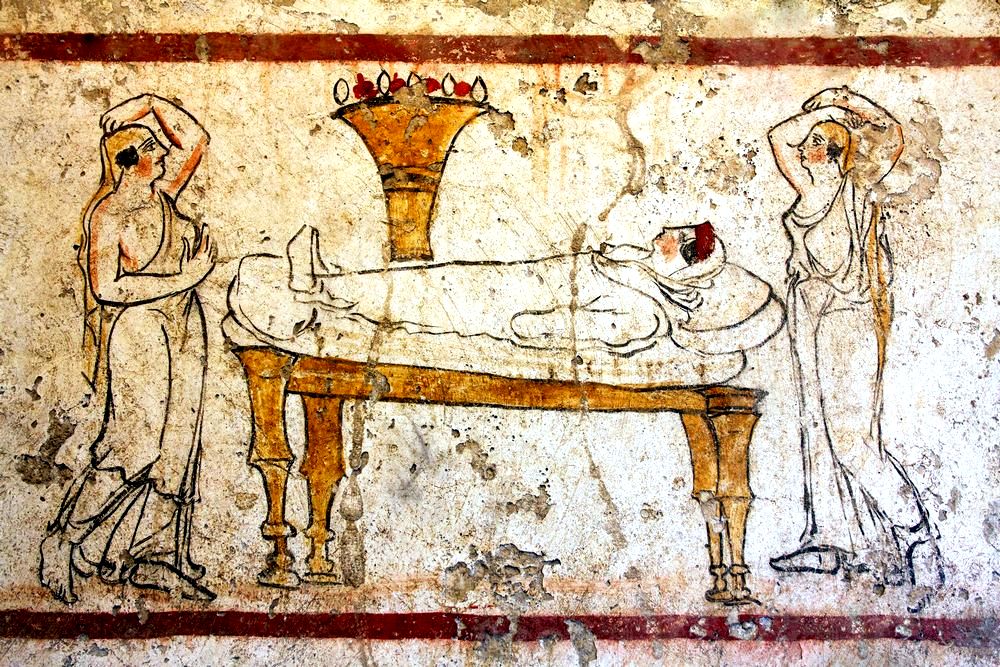
Another common custom is burial in the graves of righteous individuals. Some graves are considered holier than others, so some people choose to be buried in such places to merit blessings and success.
After the burial, it is customary to observe Shiva – the seven days of mourning and prayers for the deceased. During the seven days, family and friends gather to recite Psalms and pray together.
Additionally, there are other customs such as burial at sea, burial in a cave, or in an ancient tomb. Each represents a different and unique burial method, reflecting the believer’s actions and beliefs.
The Influence of Burial Customs on Society
Various burial customs around the world influence not only the deceased and their families but also society as a whole. Burial customs can affect how society perceives itself, relationships among people, and attitudes towards death and life.
In many cases, burial customs reflect the values and beliefs of society. For example, in societies where the dead are buried with great honor, there may be a more serious attitude towards death and its control over human life. Additionally, burial customs affect the group identity of society and how it relates to the past and future.
Moreover, burial customs can influence the processes of coping with grief for the family and society as a whole. A specific burial may intensify feelings of mourning and loss, while another burial may ease the process of dealing with grief and accepting reality.
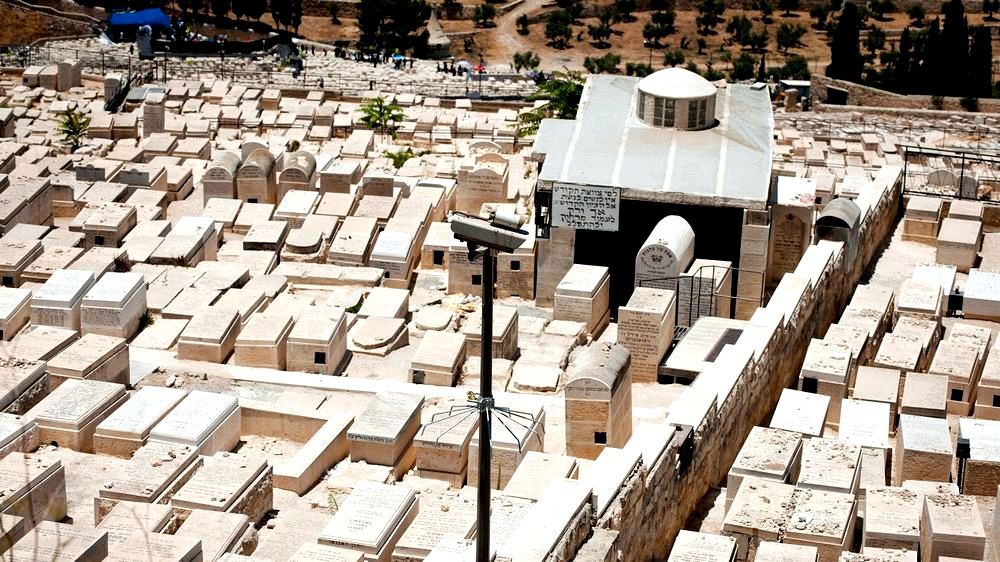
In conclusion, burial customs are an important part of every society’s culture, influencing not only the deceased and their families but also society as a whole, its values and beliefs, its group identity, and the processes of coping with grief.
Purity and Impurity in Burial Customs
Jews believe that humans consist of body and soul, and after death, the soul continues to live in the next world. According to Jewish law, a person’s body needs to be pure and protected throughout life and even after death.
In Jewish customs, there is a distinction between purity and impurity – purity refers to spiritual and physical cleanliness, while impurity refers to spiritual and physical defilement. In the Jewish community, there are traditional burial practices aimed at preserving purity and preventing impurity.
Before burial, the deceased typically undergoes a special purification called “tahara” for the deceased. Tahara is performed by washing and cleansing the body, preventing the deceased from being defiled.
The spirituality in burial helps us understand the human perception of life and death
Dr. Yael Cohen – Psychologist
After burial, hand washing is performed to prevent impurity and to remind of human frailty and the brevity of life. All these actions aim to remind the living of the components that make up our lives and to honor the deceased.

The Influence of Religion and Culture on Burial Customs
Burial customs distinctly reflect the culture and religion of the community. In most cases, religion and culture directly influence how burials are conducted and organized.
For example, the Jewish tradition mandates burial in the ground and prohibits cremation. According to Jewish law, there are obligations that cannot be ignored in burial customs.
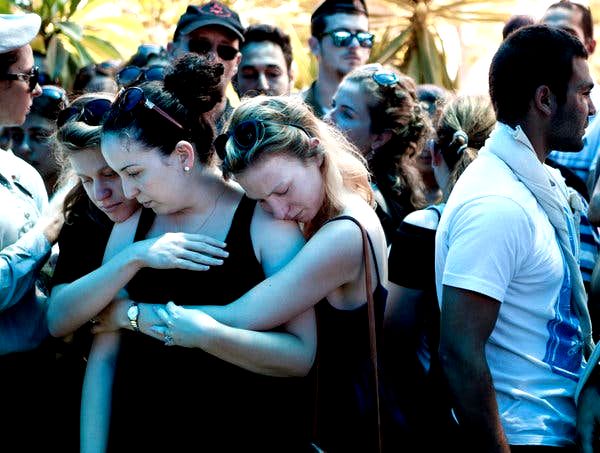
Furthermore, religion and culture can influence the location of burial, the type of grave chosen, and the assistance provided to the deceased’s family in the mourning process.
For instance, in Muslim culture, burial in the ground along with shedding tears is highly significant, and there are cultures that prefer a quick burial without delay.
Therefore, when discussing burial customs, it is important to consider the profound influence of religion and culture on the burial process and the place where the burial will take place.
Ancient Practices and Innovation in Burial Customs
Burial customs are an important part of human culture, reflecting people’s attitudes towards death and the afterlife. Over the years, these customs have undergone many changes and developments that reflect how society views death and coping mechanisms.
In the past, burial was a simple and fundamental action, burying the deceased in the ground. With society’s development and technology, new burial methods and ways of coping with death have emerged. Today, there are a wide variety of burial options, such as burial in the earth, cremation, sea burial, natural burial, and more.
Death is an inseparable part of life, and burial is the transition to another world
Nathaniel Cohen – Philosopher
However, even in the modern age, ancient and traditional burial customs are preserved. For example, in the Jewish people, there are ancient customs in the burial grounds, such as reciting the Kaddish and the annual Memorial Day observance for fallen IDF soldiers.
Ultimately, burial customs reflect people’s attitudes towards death and the afterlife. The combination of antiquity and innovation in burial customs reflects the development of society and the human need to cope with death in various diverse ways.