





1. Burial in Ancient Cultures
Burial was an integral part of the ancient cultures of the world. Throughout history, ancient cultures developed their own burial traditions that reflected their religious, social, and cultural beliefs and values.
In ancient Egypt, for example, burial practices were highly important and distinctive. The ancient Egyptians believed in an afterlife, so they buried the dead with food, utensils, and wood, so they could use them in the next world. Similarly, in ancient Israel, there are findings of tombs from the same period that indicate how the dead were buried.
In ancient Rome, the influence of Christian ideology on burial practices was widespread. Christianity believed in the resurrection of the dead, so they buried the dead in caves and special structures to prepare them for the afterlife.
In conclusion, burial in ancient cultures played a central role in human life and their religions. The way the dead were buried changed over time with various cultural influences but always preserved common values and beliefs of the local culture.
Sacred Places in Jewish History
In Jewish history, there are many places considered sacred and special to the Jewish people. These are places that serve as focal points for prayer, remembrance, and spiritual experiences. One of the most sacred places in Jewish history is the Temple Mount in Jerusalem, which was the holiest place and most important center of the Jewish people during the time of the Temple.
Another sacred place in Jewish history is the Cave of Machpelah in Hebron, where Abraham, Sarah, Isaac, Rebekah, Jacob, and Leah are buried. The Cave of Machpelah is also considered a holy place, where significant biblical figures are laid to rest.
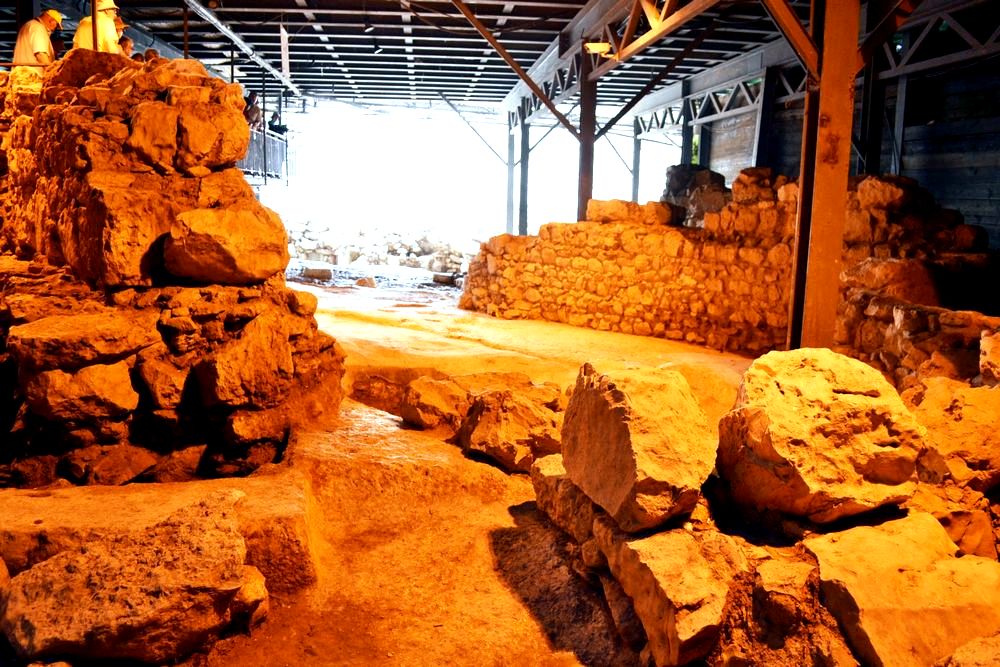
Many sacred places are found throughout the land of Israel, and they play an important role in the local and religious history of the Jewish people. Each of these places tells a unique and meaningful story that influences the religious and cultural identity of the Jewish people.
3. Burial Traditions in Various Religions
Burial is an important part of the religious tradition in most world religions. In addition to serving as a place to honor the dead, burial also serves as a tradition and religious teaching. Each religion contains specific rules and guidelines on how to behave concerning burial.
I have no doubt that death is the only thing that has essential consciousness, a consciousness that spreads and advances.
Deb Fortis – Philosopher
In the Jewish faith, according to Jewish law, the deceased must be buried in the ground so the body returns to dust as written in the Bible and religious writings. Additionally, it was customary to bury the dead in the graves of righteous individuals or in secluded places for religious reasons.
In Christianity, the dead were buried in graves with tombstones inscribed with the name and birth and death years of the deceased. Christian burials were often done in holy graves or in consecrated ground.
In Islam, the deceased were buried in the ground according to Islamic law. Muslims buried the dead on the day of death or the next day and placed a lunar capstone in front of the deceased in the grave to protect them from evil spirits.
Each of the various religions treats burial with respect and reverence, and therefore burial is an integral part of the religious life of believers.

Use of Tombs as Symbols and Sources for Historical Research
Tombs are not only places where the remains of people who lived in the past are buried but also important symbols in human history. The use of tombs as symbols extends throughout human history, reflecting human attitudes towards death and the memory of those who passed away.
In various cultures, tombs also serve as sources for historical research. The dimensions, structures, and artifacts found in tombs can tell us a lot about the lives and heritage of the people buried there. In many archaeological studies, tombs have been a source for discovering ancient artifacts, organic materials, and historical information that help us better understand the past.
Additionally, the use of tombs as symbols is widespread in various cultures. Many ancient cultures viewed tombs as sacred places and used them as symbols for remembrance and honor. In modern cultures, tombs are preserved and maintained to preserve the historical heritage and emphasize their importance within the community.
5. Changes in Burial Trends Throughout History
Throughout human history, burial – the act of providing final rest for the deceased – has undergone many changes. Therefore, burial looks different in each era and culture.
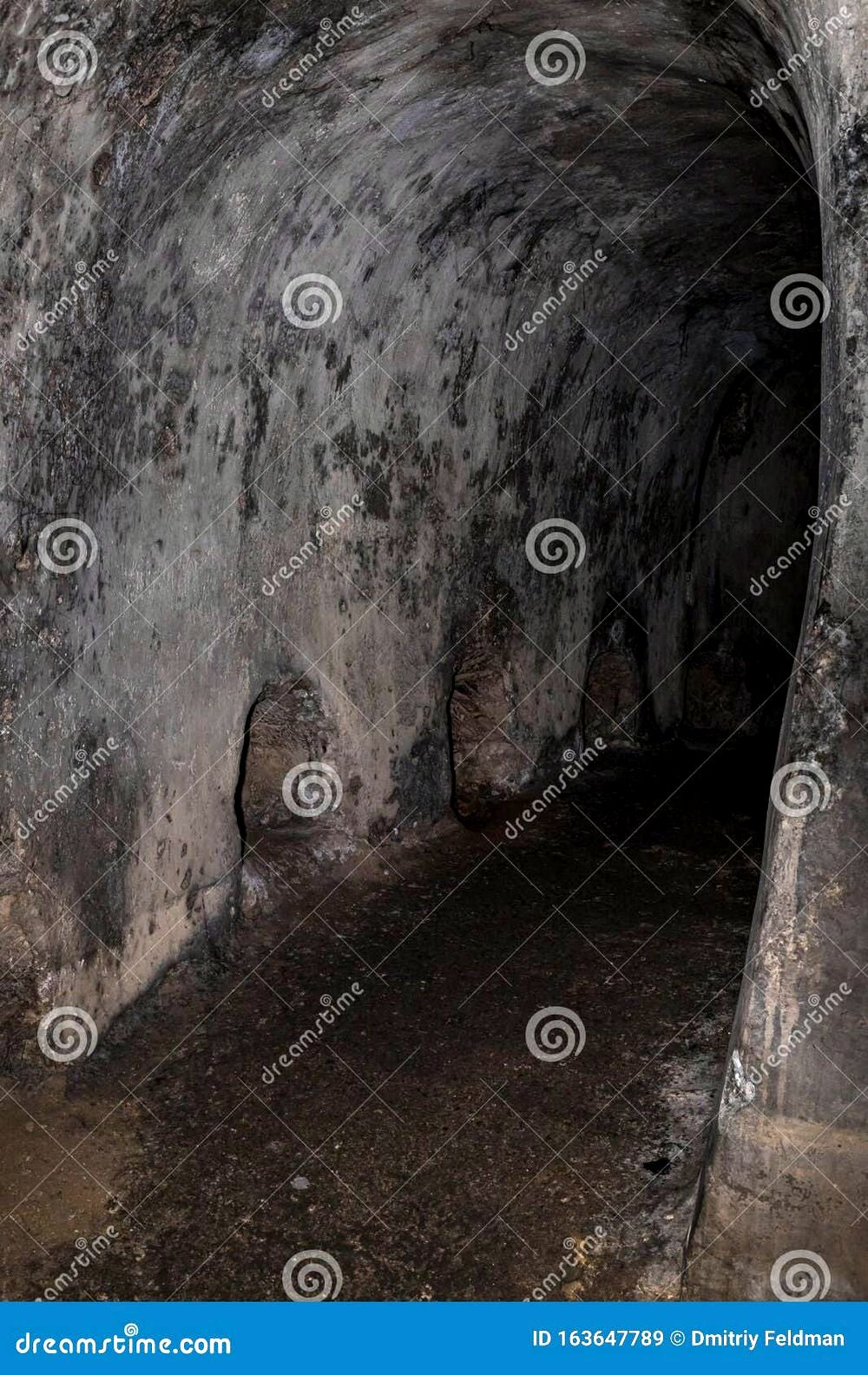
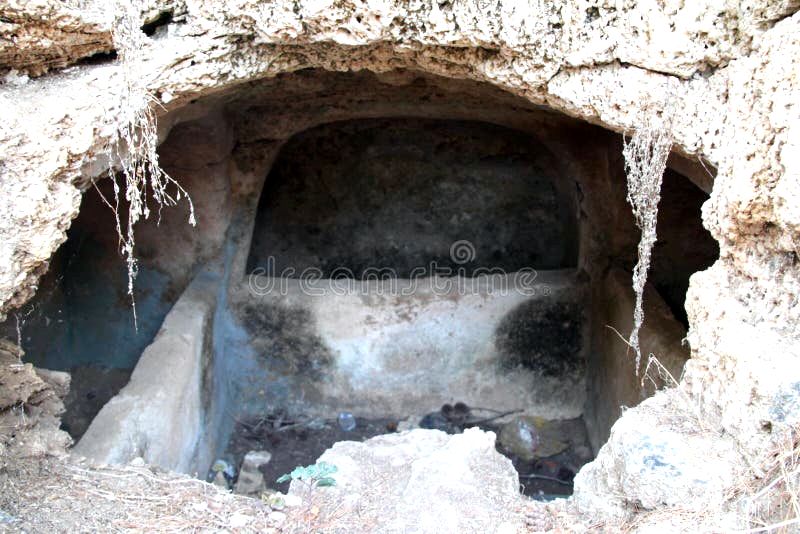
In ancient times, the dead were buried in caves or tombs built of stones. Throughout history, cultures that have survived to this day have developed different ways to bury the dead.
Death is the transition between what was and what will be, between what we knew and what we will not know.
Yehuda Liberman – Playwright and Writer
For example, in medieval times, it was customary to bury the dead in tombs with a gravestone. In the 19th century, with the development of modern culture, secular burial and cremation as a burial culture began to spread.
In the modern era, with the advancement of technology, internet burial culture has also spread, where memories and photos can be added to graves and the memory of the deceased can be preserved through the internet.
Ultimately, burial trends reflect cultural and technological changes in society and are an integral part of human history.
Amazing Burial Sites Around the World and Their Local Traditions
Throughout the world, there are amazing places considered special and fascinating burial sites. Each place has unique traditions and customs related to burial that reflect the culture and beliefs of the people who lived there.
One of the most fascinating burial sites is the sacred cave at the Tomb of the Patriarchs in Hebron, where Abraham, Sarah, Isaac, Rebekah, Jacob, and Leah are buried. The site serves as a focal point for philosophy and theology, offering a unique perspective on the connection between humans and God.
In the Holy Land, one can also find Rachel’s Tomb in Bethlehem, a central place in Jewish history and the burial place of Rachel, the mother of all people. The site is sacred in Christian and Muslim traditions and provides a clear example of religious cooperation between Jews, Arabs, and Christians.
The grave is the place where all the contents of life explode and spread to all past and future.
Natan Zach – Cultural Researcher
Around the world, there are also unique and fascinating burial sites, such as the Taj Mahal in India, the holy place for Muslims, or the I’ao Valley in Hawaii, the burial site of Kamehameha, the king of the Hawaiian Islands. Each of these places offers a unique religious and cultural experience that enriches our knowledge and understanding of burial and life.
The Influence of Technology and Science on Burials Today
Technology and science have significantly changed the way we deal with burials today. With the advancement of technology, many wonders have been achieved in the field of burial and funerals. Advanced equipment allows for efficient processing and identification of burial data, enabling burial site managers to manage the place accurately and efficiently.
Furthermore, advanced technologies like medical imaging software enable doctors and scientists to perform diagnoses and investigations on burials accurately and scientifically. Advanced electronic tools like scanners and digital cameras allow doctors to identify burial issues and treat them precisely and efficiently.
Today, there are also technological applications that help mourning families preserve the memory of the deceased. Through online platforms and social networks, families and friends can share memories, photos, and stories about the deceased, dedicating honor to them and keeping their memory alive.
Ultimately, technology and science deeply influence burials today, enabling precise and efficient management of burial sites, accurate investigation and diagnosis of burial data, and preservation of the memory of the deceased in an innovative and modern way.