





The History of Ancient Tombs
Ancient tombs are an important part of human history. Hundreds of years before the 21st century, people buried their dead in elaborately designed burial chambers. The ancient tombs were important centers of life for the people who built them, containing treasures of knowledge and culture.
Ancient tombs reflect the beliefs and traditions of the peoples who built them. They were places where people could rest their souls, and where the deceased were brought to their final rest with honor.
Ancient tombs also served as a source of important information about the history and culture of the people who built them. Fortunately, many of them still preserve critical assets that allow researchers to delve into the depths of the histories of ancient peoples.
There are stories waiting to be told in ancient tombs
Aharon ben Yaakov – Writer
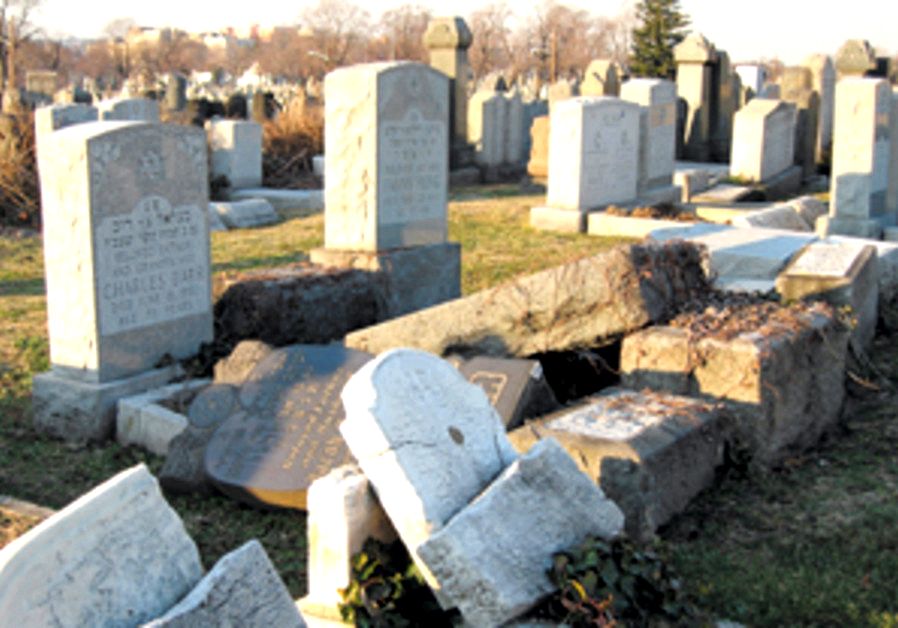
The ancient tombs were built in a special way, with thick walls and elaborate ceilings. They were adorned with paintings and sculptures that tell stories about the lives and deaths of the people buried there.

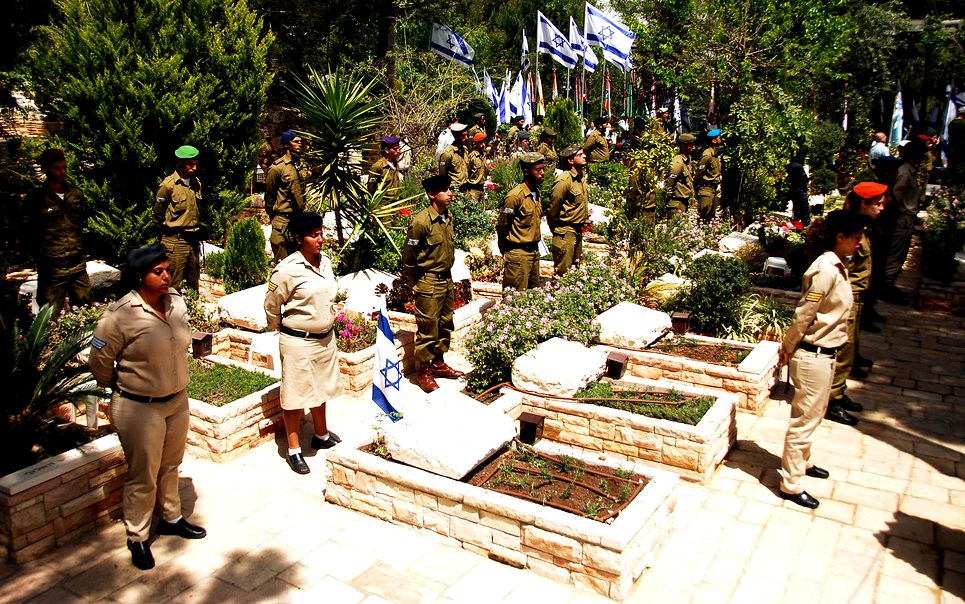
Over the years, ancient tombs have become popular tourist attractions, and many of these sites are on UNESCO’s World Heritage List. They provide a unique glimpse into the past and allow the general public to be impressed by the ancient figures found there.
Their Purpose and Uses
Ancient tombs were not only places where the dead were buried, but also important community centers for the people who built them. They served as places to hold religious ceremonies, as trade areas, and as social settlement sites. The various roles of ancient tombs demonstrate their significant importance in ancient society. Additionally, they also served as places for storing knowledge and secrets, and for preserving culture and tradition.
In the past, tombs were considered sacred, and they were sites where ancient secrets were kept. The uniqueness of ancient tombs is clearly evident in their architecture, paintings, and inscriptions on their walls. Today, ancient tombs are an important source for understanding the past and investigating human history. Numerous studies are regularly conducted in ancient tombs to uncover the secrets and hidden information within them.
By the end of the article, you will have a better understanding of the various purposes and uses of ancient tombs, and will appreciate their historical and cultural significance.
3. Planning and Construction
Ancient tombs were impressive structures mainly built of stone. The planning and construction process was complex, requiring planners and builders to consider many details. It is important to note that the planning and construction of ancient tombs varied according to the culture and tradition of the people who built them.
Through the deaths of people, we can understand part of their journey in life
Rachel Cohen – Historian
Some tombs consisted of main structures such as burial chambers, burial halls, and entranceways. The planning of these spaces was crucial, as they were linked to the beliefs and religious traditions of the people who built the tomb.
The construction of ancient tombs required the use of advanced building techniques such as stone cutting and carving, plastering, and concrete. Their construction was complex and required advanced knowledge in architecture and building.
Fortunately, many of the ancient tombs that exist today have been well-preserved, allowing us to see their beauty and complexity. They are an important part of the history and culture of the peoples who built them.
The reality of tombs allows us to focus on a specific time and place
Shimon Levi – Anthropologist
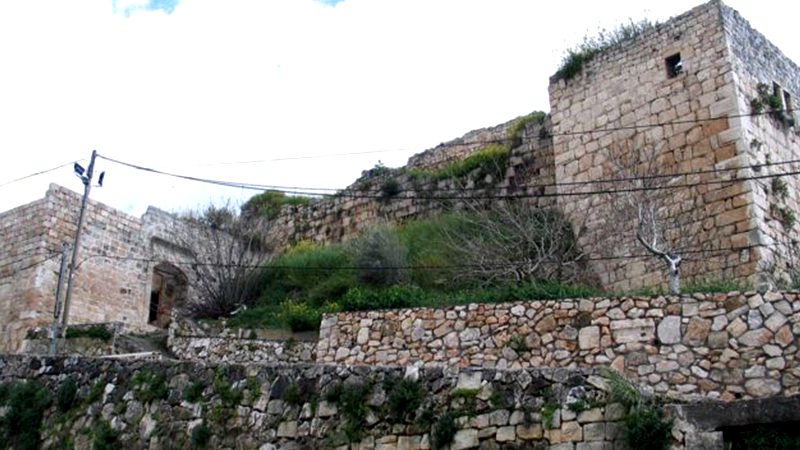
4. Magnificent and Impressive Tombs
Ancient tombs serve not only as burial places for the dead but also as places where the spiritual and cultural universe of the ancient people is presented. Magnificent and impressive tombs are exhibitions of art, architecture, and faith. In these tombs, one can find a wide variety of graves, from simple to the most impressive.
The magnificent and impressive tombs are remarkable in their unique design, size, and coloration. Many of them contain sculptures and paintings depicting the deceased and the stories associated with them. These magnificent tombs also serve as places to receive guests and to perform rituals and religious ceremonies. They serve as the meeting point between the physical world and the spiritual world.
Magnificent and impressive tombs are mainly known for their civil reality, such as the tombs of kings, ministers, and businessmen. They testify to the importance of these individuals in the life of the people and the social status in which they lived. The magnificent tombs provide an artistic and historical view of the culture and faith of the ancient people.
Magnificent and impressive tombs are an inseparable part of the cultural heritage of the ancient people. They provide a deep insight into how previous generations lived and died, allowing us to understand and appreciate the values and traditions they passed on to future generations. They are an important part of the rich and diverse past of humanity.
5. Paintings and Decorations in Tombs
Ancient tombs display tens of thousands of years of history and culture. The paintings and decorations in the tombs are an integral part of the spiritual journey of humanity. They provide a unique insight into the lives of people in the past and their beliefs and customs.
The paintings in ancient tombs were mainly done on the walls of caves and tombs. They depict daily life scenes, biblical scenes, and figures of people and animals. These paintings provide important information about the society and culture of the ancients.
In addition to paintings, ancient tombs are decorated mainly with decorations such as sculptures, mosaics, and other objects. These decorations add another dimension to the aesthetic experience of visiting the tomb and deepen our understanding of the culture of the people who lived there.
In conclusion, the paintings and decorations in ancient tombs are among the most important parts of the cultural heritage of the ancients. They allow us to learn more about the lives and beliefs of those people and provide us with a unique perspective on their rich culture.
6. Religious and Traditional Practices in Tombs
Religious and traditional practices in ancient tombs were very important to the residents of the area. In the past, the dead were considered holy and spiritual beings, so their burial was done with great respect. Often, during the burial, religious and traditional ceremonies were held that added to the burial or served a specific purpose in the burial process itself.
Among the most common religious practices in ancient tombs were offerings and the burning of spices at the burial site. Many offerings were found when tombs were considered holy places where sacrifices could be made to the gods. Spices were also found scattered in tombs, indicating the practice of burning spices as part of the religious ritual in burial.
In addition, many religious symbols were found in ancient tombs, such as paintings of deities or representations of the cosmic system. All of these were part of the religious belief of the local residents and were considered very important and holy. Each painting or symbol in the tomb was intended to preserve the sanctity and connection to the gods.
In summary, religious and traditional practices in ancient tombs were very important to the residents of the area, and they reflect the religious and traditional thought that governed their lives.
7. Their Influence on Ancient Culture and Art
Ancient tombs, with their fascinating secrets, had a tremendous influence on the culture and art of their time. The archaeological finds in the tombs testify to their great importance in society and over time.
By focusing primarily on the importance of the artworks in tombs and how they influenced ancient art in general, we can see how they impacted ancient culture. Most of the findings are paintings and drawings on the walls of these homes that tell stories about the life and morals of the era. They also contain drawings and symbols that indicate the status and role of the deceased in their final days.
In addition, we can see the influence of ancient tombs on the culture of the people who sought to bury in them. From them, we can learn about the customs and traditions practiced at that time, the beliefs and religions that were common, and the relationship between private and public life.
In conclusion, ancient tombs are not only places where the dead are buried but also a source of learning about the culture and art of ancient peoples. From their findings, we can understand more about the human figure and how they connected their past with the present.