






1. History of Burial Architecture
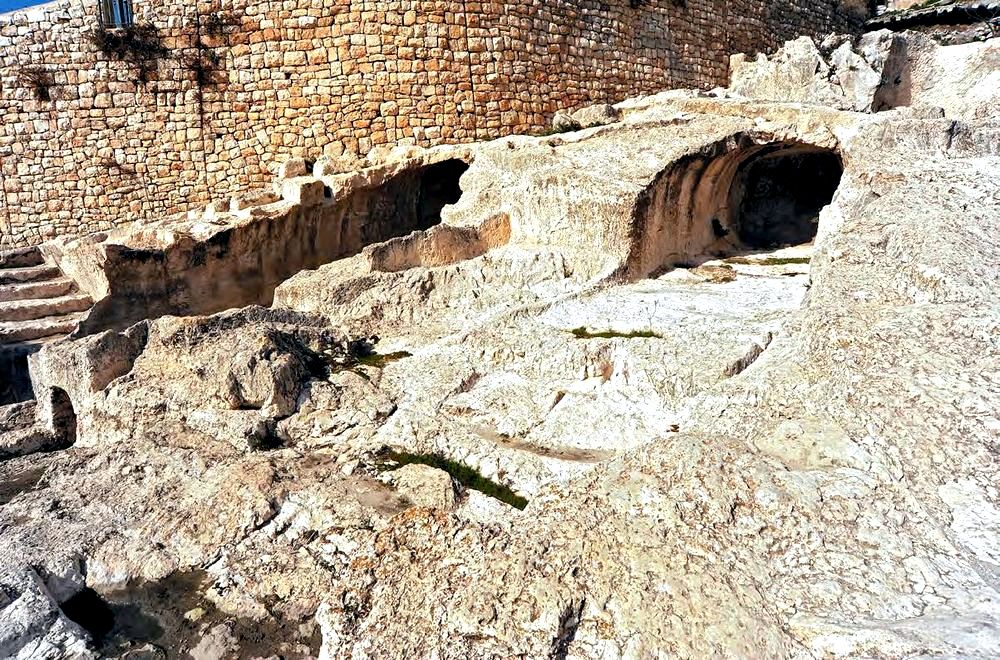
Architecture of burial places is an interesting field that deals with the design and construction of burial sites from ancient times to the present day. Throughout history, different methods have been developed for constructing tombs and their architecture.
Ancient burial architecture included simple and monochromatic tombs, as well as complex and ornate tombs. Over the years, new techniques were developed for building tombs, and they became an integral part of various burial cultures.
Modern burial architecture focuses on designing functional and beautiful tombs that combine ideas from the past and present. Today, tombs offer unique and impressive designs that reflect the personalities and cultures of the deceased.
In this article, we will provide examples of burial architecture from various parts of the world and examine their influence on local culture and art.
The last place we choose is as important as the first place
Abigail Cohen – landscape architect
2. Issues and Challenges in Planning and Building Cemeteries
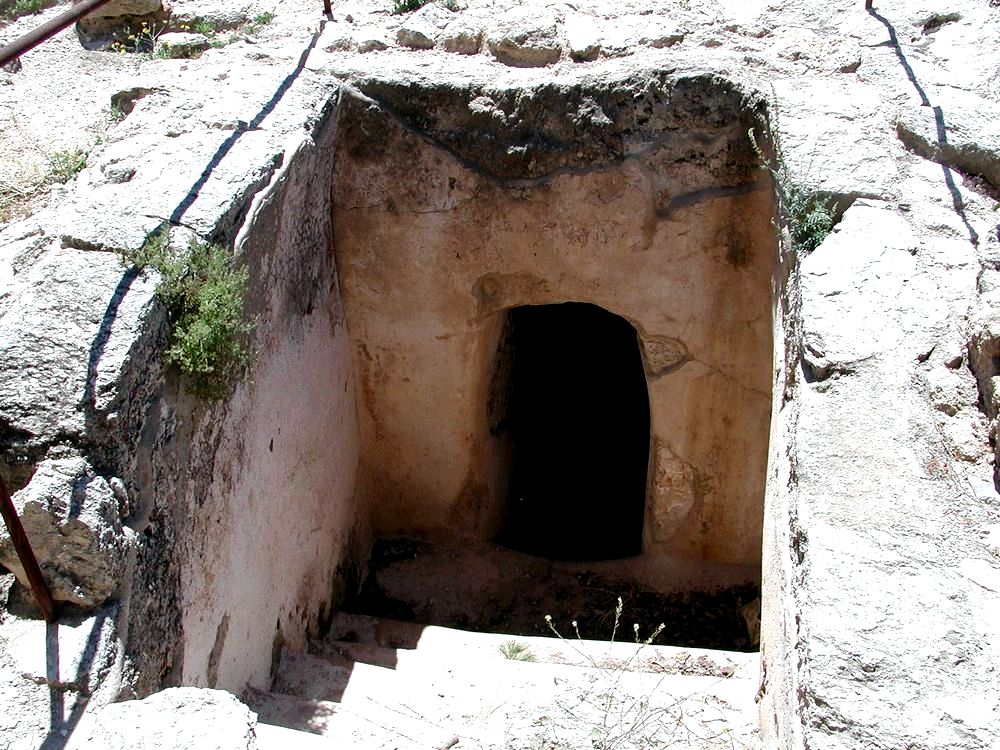
Cemeteries are special buildings that serve as burial and memorial sites for the deceased. In their planning and construction, there are unique issues and challenges that require attentiveness and skill from the architect. One of them is adapting the structure to the natural and cultural environment in which it is located. It is important to consider the aesthetics and the feeling that the cemetery will convey to visitors and mourners.
Another issue is preserving the dignity of the deceased and the need to respect the privacy of the family. The design of the cemetery should cater to this purpose and ensure that visitors feel comfortable and secure during their visit.
Additionally, environmental conditions and the sustainability of the area where the building is located, such as the risk of groundwater, climate conditions, and the like, must be taken into account. The design and planning of the cemetery must be adapted to these conditions and ensure that it is durable and survives over time.
Building a burial place with attention to user needs is a fascinating task
Yoval Cohen – landscape architect
In conclusion, planning and building cemeteries is a complex task that requires creative ability and sensitivity to customer needs. Only with these abilities can architectural structures be created to serve their purpose in the best way and contribute to creating a spiritual and interesting environment for cemetery visitors.
Influence of Culture and Religion on Burial Architecture
The architecture of burial places is an important manifestation of culture and religion in every community. Their influence on burial architecture is evident in the shapes of tombs, structures, and their designs.
In several cultures, such as Islamic culture, tombs are designed in a unique style that reflects religious beliefs and traditions. In contrast, in other cultures, like Jewish culture, tombs are somewhat simpler and maintained in a slightly different way.
Burial architecture also reflects the history and spiritual journey of the community. Ancient tombs, built in various periods in the past, may contain clues to the community’s journey and ancient myths or religious stories.

The grave is where the transition between life and death takes place
Dr. Aharon Cohen – cultural anthropologist
Every community has a unique way of relating to tombs and burial places. This is an important reflection of their cultural and religious identity, and burial place architecture serves as a source for understanding their community’s character and values.
Innovative Technologies in Building Burial Places
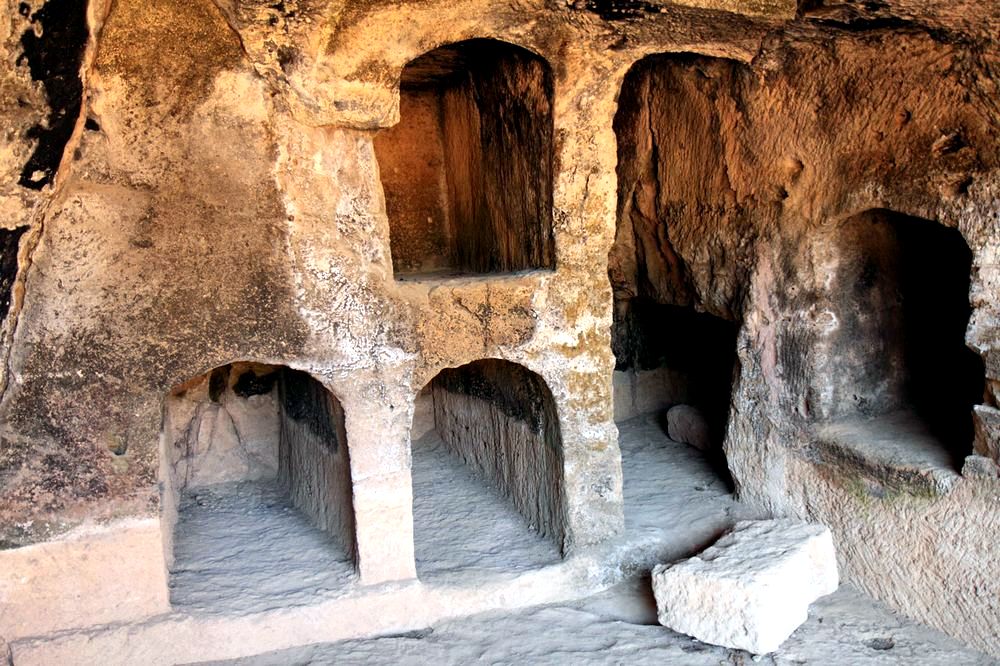
Architecture of burial places has undergone many revolutionary changes in recent decades, following technological advancements and a sense of uniqueness and respect for the deceased. Innovative technologies allow us to create burial places that are not just places that preserve the body but also spaces that provide comfort and peace to the deceased’s family.
One of the most fascinating technologies is the use of Virtual Reality technology to create a pre-burial visit experience. With virtual reality, one can experience the structure and design of the burial site virtually and understand how the place looks and feels before it is physically built.
Another fascinating technology is the use of Renewable Energy in building burial places. Instead of using less environmentally friendly energy and batteries, one can use innovative and green energy that protects the environment and allows the burial place to be environmentally friendly even after death.
In conclusion, innovative technologies in building burial places allow us to create unique and moving spaces that provide honor and comfort to the deceased and their families.
5. Culture of Memory and Its Impact on the Design of Burial Places
In the modern era, the design of burial places is done according to the principles of the culture of memory. This culture influences the shape and design of tombs and burial communities. In burial places, designers use symbols and motifs to express respect and memory for the deceased.
Burial places also serve as centers of memory and commemoration for those who have passed away. In this era, the design of tombs reflects the culture and tradition of society. Thus, burial places are an integral part of the collective memory of the community.
In the modern era, the design of burial places changes and evolves over time. This design reflects the values and culture of the society in which the deceased are found. The design of tombs affects how the dead are honored and remembered.
In summary, the culture of memory influences the design of burial places and gives them a much greater meaning than just a burial place. Burial places are an important part of the history and culture of every community, and their design reflects the memory and tribute to the deceased.
6. Examples from the World of Burial Architecture Worldwide
In the world, there are many fascinating and intriguing examples of burial architecture. Each burial place represents a need for symbolism, spirituality, and the special relationship between humans and death.
One of the impressive examples of burial architecture is the oldest cave found in Lorien, France. This cave is from the same period as the Neanderthal human caves in Israel, and it is an impressive example of how humans have treated the dead throughout history.
Another interesting example is the magnificent tomb of Pharaoh Tutankhamun in Egypt. The tomb is a unique structure that showcases the ancient Egyptians’ ability in building structures and architecture.
In most places around the world, burial architecture changes with time and culture. As a result, differences can be seen between burial places in the Middle East and those in the West. Each of them represents the ideology and beliefs of the culture they belong to.
In conclusion, it can be said that burial architecture is a fascinating field that provides an opportunity to look into the past and future of humanity and understand the relationship between humans and death.