






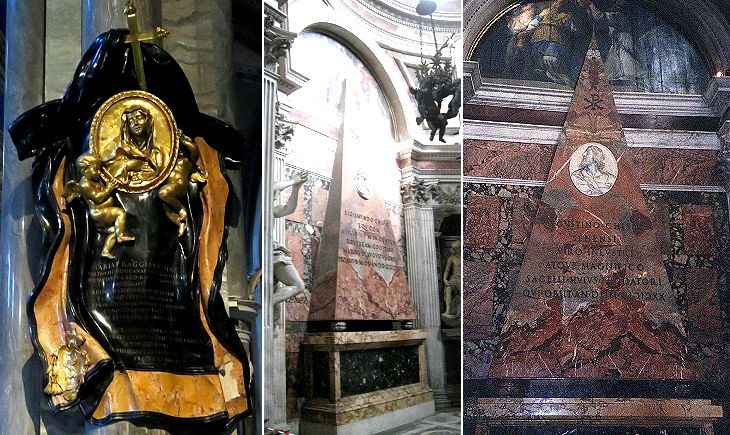
History of Gravestones
Gravestones are memorials to the victims of wars or disasters. The history of gravestones is based on an ancient tradition of laying stones or symbols on the graves of war casualties. The main purpose of gravestones is to preserve the memory of the victims and convey the message of “never forget.”
Throughout history, gravestones are an integral part of the culture of memory and national memory. They also serve as national and local symbols, reminding people of their desire for peace and harmony.
Gravestones can be found all over the world, from Europe to Africa and the regions of Southeast Asia. They provide a place to call to memory and a healing process during the mourning of family and friends.
In Israel, gravestones are placed throughout the country, in many places affected by Israeli wars. They are created by artists and designers and serve as a means to connect people to history and the grieving process.
Types of Gravestones
Gravestones are a form of occupying the souls of the dead on the ground, representing a victory over death. There are various types of gravestones used to remember the deceased and convey their messages to future generations.
The main types of gravestones include stone gravestones, metal gravestones, wood gravestones, and plastic gravestones. Stone gravestones are the most traditional and common type, often depicted on tombstones or in special places.
Metal gravestones are particularly common in various parts of the world, allowing for additional personal information to be engraved on the material. Wood gravestones are usually made of real wood or composite materials, giving a natural and warm look to the site.
In addition, plastic gravestones are more common nowadays and suitable for unique and innovative designs. These types of gravestones offer many opportunities for renewal and creativity in commemorating and showcasing the deceased.
People who have passed away help us understand more about life
Margaret Mitchell – Poet
The Influence of Gravestones on the Public
Gravestones are an important part of the public culture of any community. They serve not only as a memory for the deceased but also as a central place for memory and guidance. The influence of gravestones on the public is powerful and extends to various spaces.
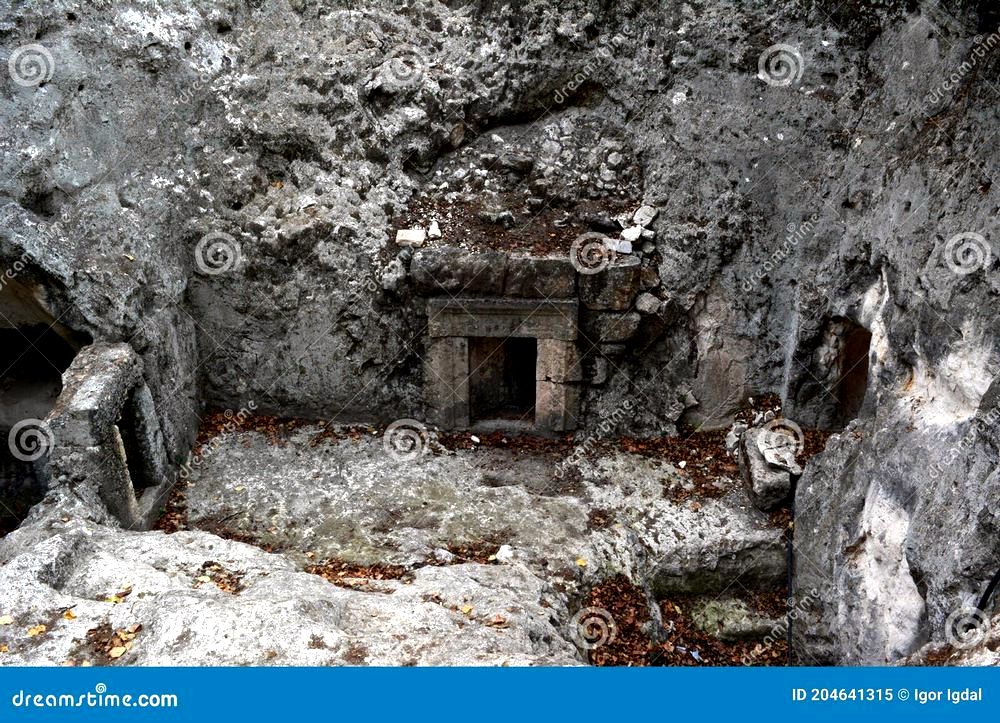
First and foremost, gravestones are a sacred and special place that serves to remember and honor the deceased. They remind us of the history and heritage of the community, inviting us to think about our past and heritage.
Additionally, gravestones also influence the public in an educational way. They invite the public to reflect on social and human values and think about the lives and deaths of other people. Through gravestones, we learn about the lives, deaths, and culture of our community.
The place where the deceased are buried is a transition point between this world and the next
Abraham Joshua Heschel – Writer and Playwright
In conclusion, gravestones are an important and central part of our public culture. They remind us of our past, influence education and values, and invite us to think about life and death in a deep and fascinating way.
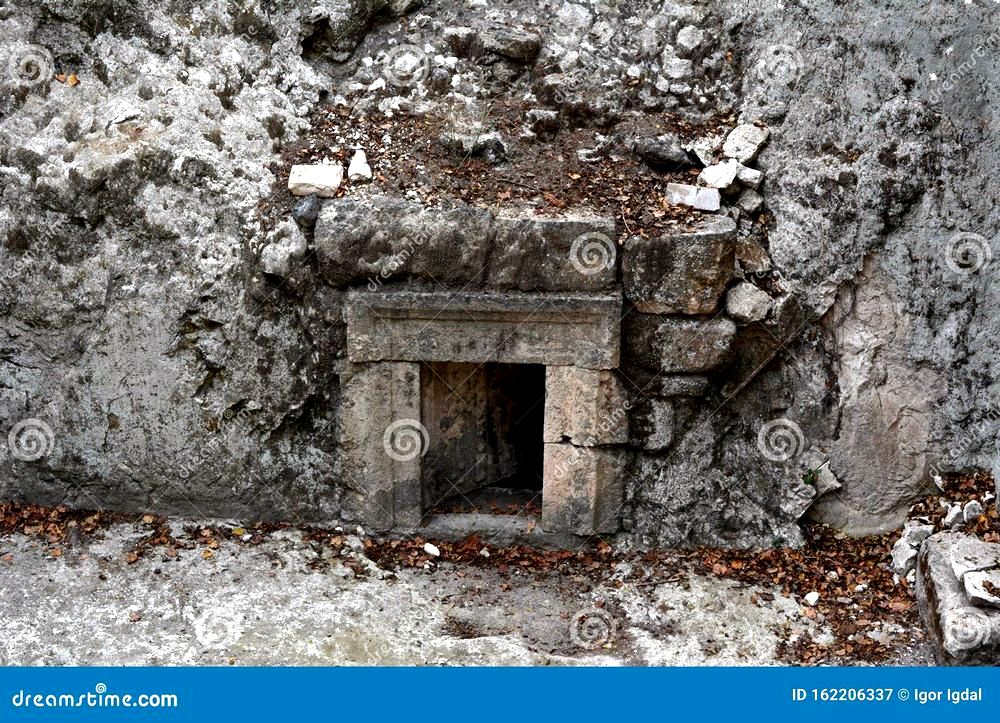
The Artistic Thought Behind Gravestones
Gravestones are artistic creations designed to remember and honor the fallen in wars and other tragic events. The artistic thought behind gravestones is based on ideas of memory and tribute, using various forms and materials to create unique and emotional works.
Artists working on gravestones engage deeply with the subject and strive to understand the difficult moment experienced by those who influence them. They use various artistic tools and techniques to truly express the pain and sorrow of the events they are trying to represent.
Each work involves a creative process that takes place behind the scenes. The artist examines the subject, looks at the small details, and tries to understand the special moment they want to convey. Only then do they begin to create and materialize their idea physically.
The artistic thought behind gravestones is not only to remember but also to connect viewers to events they have not experienced themselves. Artists manage to convey the feelings and moments of the fallen through their stunning works.
Unique Techniques for Creating Gravestones
Engraving on copper stone is one of the oldest techniques for creating gravestones. Using special engraving tools, artists create emotional images and writings on the stone, leaving a deep and moving impression on those who see the gravestone.

Painting on stone allows for colorful and stunning gravestones. With acrylic paints or special stone paints, artists can create beautiful images and designs that add a new dimension to the gravestone and bring it to life.

Photography on stone is a unique technique where the artist reproduces a photographed image or text on the stone. Through special digital processing techniques, magnificent gravestones can be created that blend past and present.
Social and Cultural Aspects of Gravestones
Gravestones are an important part of Israeli culture and tradition. They serve not only as a place to remember the deceased but also as part of the history and culture of the country. Over the years, gravestones have been erected in memory of fallen soldiers in Israeli conflicts and in memory of fallen soldiers in other security systems.
The term “monument” refers to a monumental marker that commemorates a specific event or memory and represents the social and cultural significance of the event or memory. Gravestones also serve as central cultural tour points where tours and lectures on the history and culture of the country take place.
Building gravestones is a social and cultural action aimed at preserving the memory and heritage of the deceased and passing the message on to future generations. They serve as a central link between the living population and the deceased, reminding us of the culture and tradition of the Jewish people.
When gravestones are periodically maintained, they can positively influence society and culture, creating strong social bonds among people. Additionally, they provide a dignified status to the deceased and remind us of their eternal contribution to society and the state.
In summary, the social and cultural aspects of gravestones are an important part of Israel’s cultural heritage and positively impact society and culture. They remind us of the importance of memory and history and strengthen community ties between the living and the dead.
Gravestones in Israel – Examples and Influence
Gravestones are a well-known art form in Israel and play an important role in Israeli culture. When talking about gravestones in Israel, most mention unique design and meaningful content that immortalizes the memory of the deceased. In the twenty-first century, many gravestones were built throughout the country, each telling its own story.
While alive, a person cannot send letters to people. Only in their death can they
Mark Twain – Writer and Playwright
One of the most impressive gravestones in Israel is the memorial for the fallen in Israeli wars. The monument is located in the Memorial Square in Jerusalem and serves as a meeting point for many events. Its modern and moving design gives the monument a special place in the hearts of all who visit.
Gravestones in Israel influence not only the mourners but also the wider public. They encourage collective memory and remind us of the sacrifices made for the country. In doing so, they remind us to preserve their memory and not forget their everlasting contribution.