





1. Investing in Difficult Hiking Trails
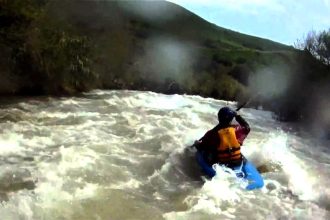
When talking about extreme adventures in the mountains, it is important to remember that investing in difficult hiking trails is an inseparable part of the experience. These hiking trails provide travelers with the most challenging and exciting moments, allowing them to cope with extreme conditions and self-transcendence.
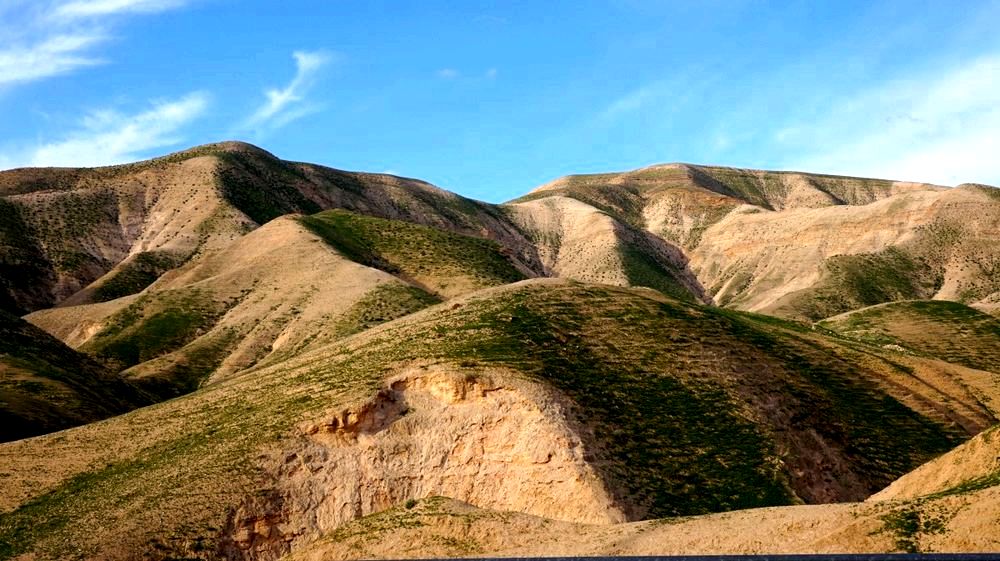
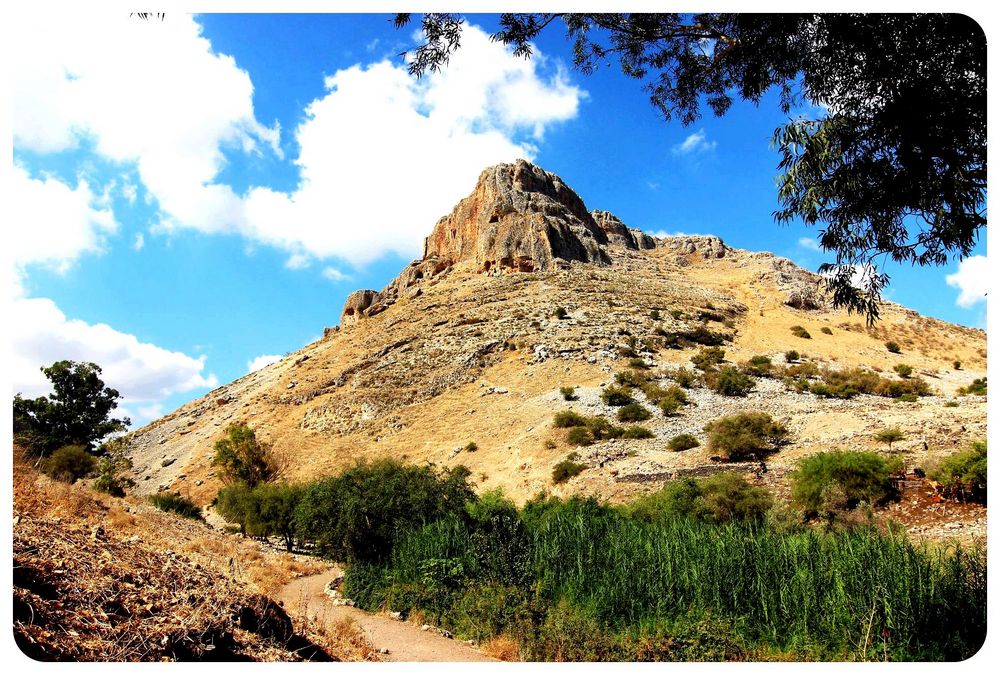
In difficult hiking trails, you can find routes with rugged terrains, extreme temperatures, challenging terrains, and scenic realities. Travelers who choose to face these challenges can start under the gaze of high mountains, cross deep forests, and leap among rugged rocks.
Investing in difficult hiking trails requires physical and mental fitness, and sometimes also appropriate equipment and special training. But for those seeking real challenges and extreme adventures, this is the perfect choice.
In every mountain adventure, we have the opportunity to grow and develop.
Miri Cohen – Tour Guide
2. Climbing and Descending Techniques in the Mountains
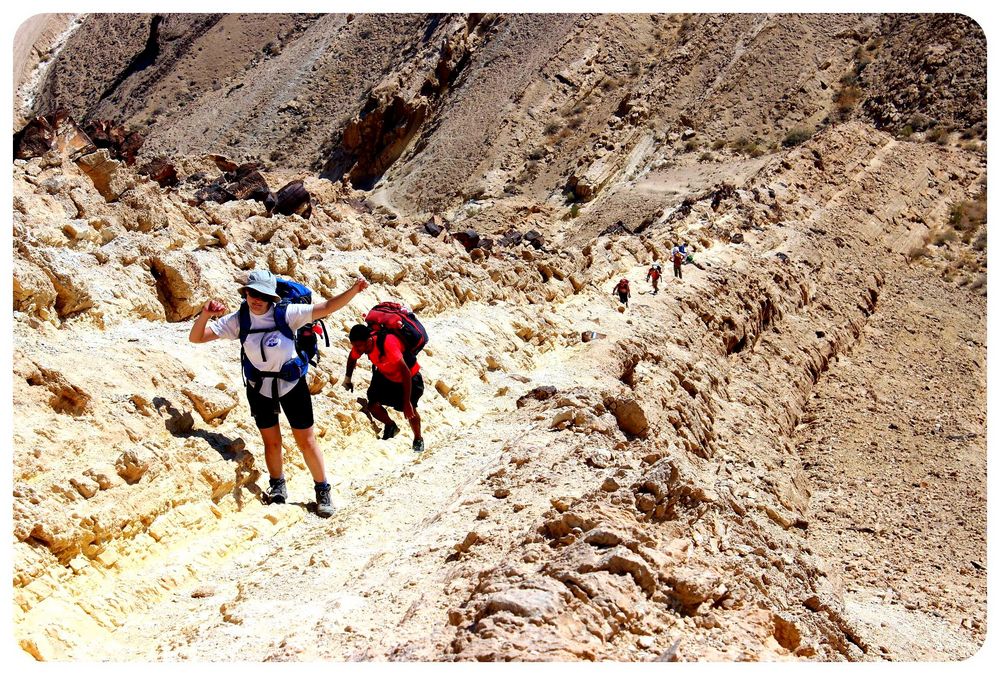
Mountain climbing is a fascinating and challenging activity that requires special physical and emotional abilities. To cope with extreme adventures in the mountains, it is important to know and use appropriate climbing and descending techniques.
One of the key techniques is the use of belay equipment, especially safety harness. It is important to learn how to use the safety harness properly and ensure that it is installed correctly before each climb.
An efficient climbing technique is to exert force from the legs rather than the hands. You should use the power of your legs to advance safely and efficiently. When you climb or descend in the mountains, it is important to maintain balance in your movements and not rely solely on your hands.
In addition, it is important to learn proper and safe descending techniques. When descending in the mountains, you should use your fingers and legs to progress efficiently and not rely solely on the harness.
In conclusion, climbing and descending techniques in the mountains are an integral part of extreme adventures in the mountains. You need to learn and practice these techniques in order to succeed and enjoy the experience fully and safely.
3. Risks and Challenges in the Mountains
Mountains are magnificent and fascinating places, but they also contain many risks and challenges that one must deal with. When hikers decide to venture into the mountains for extreme adventures, it is important to consider the possible risks and prepare for them in the best possible way.
One of the main risks in the context of mountain adventures is the risk of injuries and even accidents. Ground conditions in the mountains can be challenging, so it is important to equip yourself with suitable gear and tools and be prepared for any possible scenario.
Additionally, it is important to consider the risk of dehydration in the mountains. Weather conditions can change suddenly and lead to difficult and uncomfortable situations. It is advisable to consider weather forecasts and adjust your plans accordingly.
No less important is the risk of getting lost in the mountains. Mountains can be complex and unfamiliar, so it is advisable to use maps, navigation systems, and professional guides to avoid getting lost.
Ultimately, mountain adventures are a fascinating and enjoyable experience, but it is important to remember that they pose risks and challenges that require preparation and readiness.
4. Equipment and Maintenance for Mountain Trips
Mountain trips can be an exciting and enjoyable experience, but it is important to be prepared and equipped properly. Before embarking on an adventure, it is important to ensure that you have the necessary equipment and that it is in good condition. Here is a list of essential gear to take with you:
- Sturdy and comfortable shoes suitable for hiking conditions and movement on ice and rocks
- Thermal shirts to maintain body heat during the hike
- A hat and sunglasses to protect the head and eyes from the sun’s rays
- A lightweight backpack for carrying personal gear during the hike
- Abundant food and water to maintain pressure and energy during the hike
In addition to personal gear, it is important to ensure that your equipment is supported and ready for use. To maintain the integrity of the equipment, it should be checked regularly and kept clean and properly maintained. It is also important to be aware of the risks that may be overlooked during the trip and to avoid unnecessary risks that may compromise your safety.
5. Extreme Hiking in the Mountains
Extreme hiking in the mountains is an exciting experience suitable for those who love challenges and the thrill of risk. During extreme hikes in the mountains, you can find difficult and challenging routes that require high physical fitness and specialized climbing skills.
In the mountains, you can find a variety of extreme activities, such as climbing high cliffs, off-road jeep tours in challenging terrains, mountain biking on difficult trails, and more. Each of these activities requires great attention and strong physical fitness.
Before indulging in an extreme hike in the mountains, it is important to ensure that you have all the required equipment and familiarize yourself with the route. It is also important to consider the weather and take into account the necessary safety precautions.
When planning an extreme hike in the mountains, it is advisable to consult with an expert or guide who can advise you on suitable routes and necessary preparations. It is also important to be in good physical shape and not forget to take enough food and water for the journey.
When embarking on an extreme hike in the mountains, remember that safety always comes first. Do not take unnecessary risks and always keep your safety equipment. Enjoy the experience, but be cautious and prepared for the extreme challenges ahead!
In encountering the mountains, we are excited by the closeness to nature.
Nirit Golan – Anthropologist
Physical and Mental Preparation for Mountain Trips
When planning a mountain trip, it is important to prepare physically and mentally for the challenges that may arise. Mountain trips require strong bodies and good fitness, so it is important to train in advance and strengthen your muscles. It is also important to mentally prepare for the challenges that may arise during the trip and be ready to deal with emergencies and difficulties that may arise along the way.
Physical preparation includes regular exercises aimed at strengthening muscles, improving physical fitness, and preparing the body for intense exertion. It is advisable to practice walking in nature, mountain climbing, running, and any physical activity that will enhance your physical fitness. Additionally, it is important to train on proper breathing and learn techniques for controlling breathing during physical activities.
Mental preparation includes processes of excitement and dealing with fears and difficulties. It is advisable to invest time in meditation and relaxation practices that will help you maintain inner peace during the trip and cope with stress and pressure. It is also advisable to practice dealing with emergency situations and know how to act in critical situations that may arise during the trip.
7. Tips for Mountain Safety
1. Always prepare proper equipment for a mountain hike, including water, food, medical supplies, and tools to cope with weather changes.
2. It is important to be in good physical condition before going on a hike and not to ignore the difficulty levels of the trail.
3. Always maintain communication with guides or rescue teams during the hike, and inform them of your location and status at all times.
4. Consider the risk of sun exposure and use sunscreen and a hat to protect your skin.
5. When it gets cold in the mountains, dress in layers to adjust your clothing according to the changing temperature.
6. Always keep the environment clean and do not leave trash in nature areas, to preserve the environment.
7. If your hiking period is compromised, it is important to stop and return on time to avoid risks and ensure your safety.
Mountains are places where we can be excited, go crazy, and grow together.
Abigail Levy – Summer Tour Guide